Recognizing early signs on California lawns
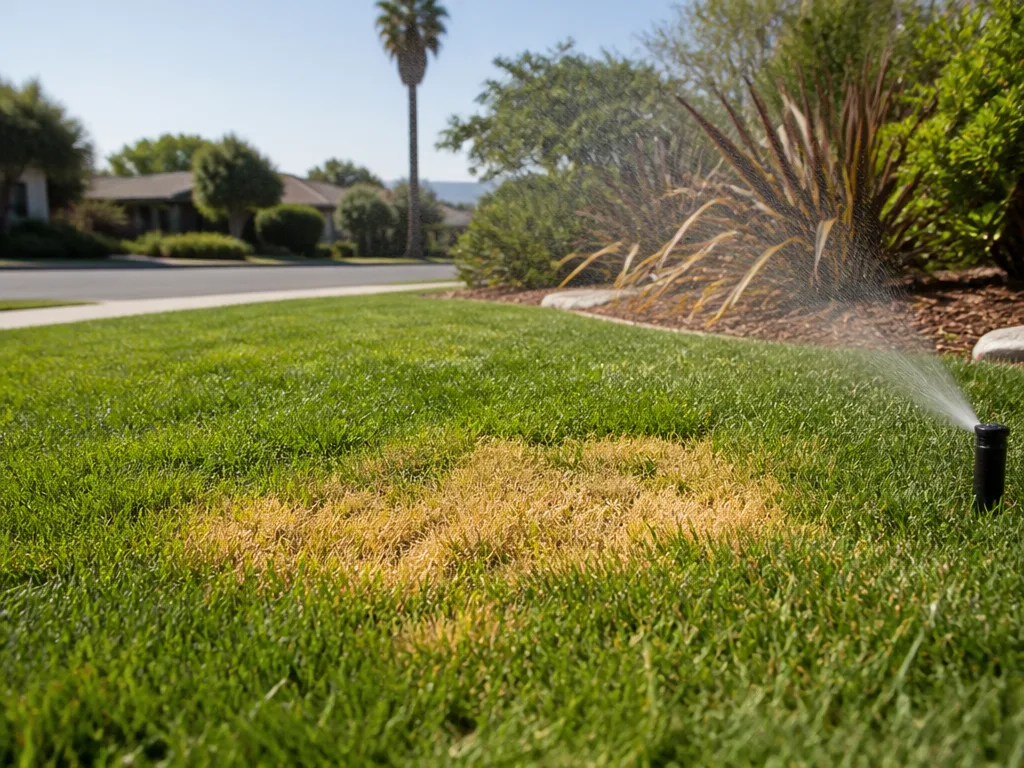
In California, a healthy lawn starts green and even. When color shifts or growth slows, it’s your first hint that something needs attention. Look for pale or yellow patches that expand slowly, edges that look crisp or burned, and uneven growth that creates thin areas in the turf. Our team sees this across California as seasons shift and weather patterns change from coastal damp to inland heat.
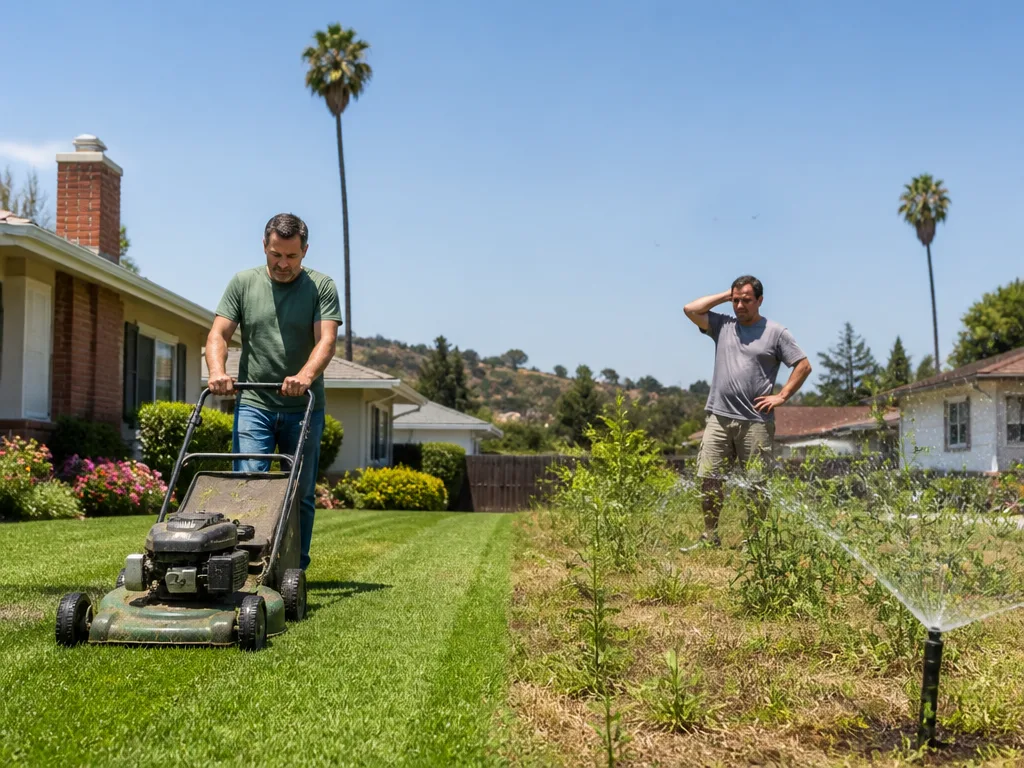
A common clue is uneven mowing results. If some areas look taller after a trim while others stay shorter, you may have compacted soil or irrigation gaps. When you walk the yard, notice where the soil feels hard or dry a few inches below the surface. These subtle cues build a picture of what the lawn needs next.
What causes these signals
In California, factors vary by region but the symptoms are similar. Heat and drought stress can yellow leaves and slow growth. Soil compaction from foot traffic or heavy equipment makes roots work harder, leading to pale patches. Uneven irrigation leaves some zones thirsty while others stay soggy. And nutrient imbalances can leave the turf pale and weak. A lawn care specialist from California Tree Removal Pros will confirm what’s happening and why it started in your yard.
Another frequent trigger is seasonal burn from direct sun in summer or winter dormancy during cooler months. If the lawn stays dormant longer than usual or never fully greens up after winter, it’s a sign to check irrigation timing, soil moisture, and nutrient levels.
How to respond when you notice warning signs
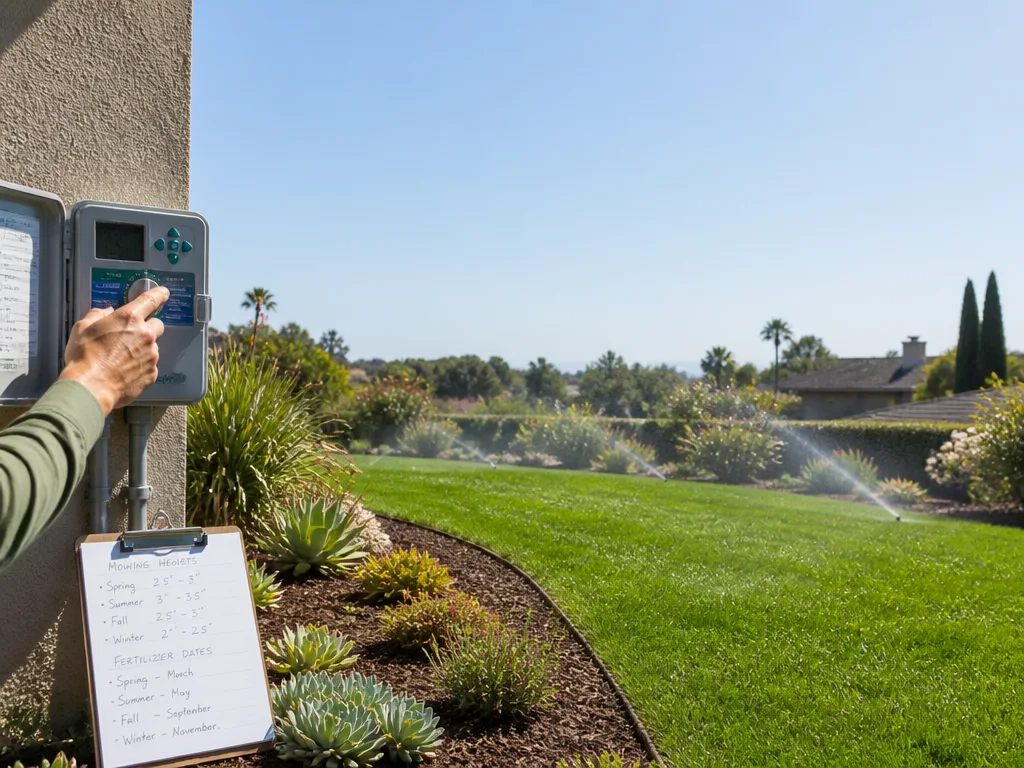
Start with practical checks: ensure sprinklers cover the whole area evenly, adjust mower height for the season, and remove compacted soil with light aeration if needed. In California, core aeration can help roots breathe and water move through the soil. Feed the lawn with a balanced, slow-release product tuned for your climate, following label directions.
Document the changes you see and note weather conditions. A lawn care specialist can review past irrigation cycles, mowing patterns, and soil health to map a plan. If yellowing or thinning spreads beyond a few patches, it’s time to call in help rather than guessing what to do next.
Simple next steps you can take today
- Check irrigation heads for clogs or misalignment and run a uniform cycle.
- Raise mower height to encourage deeper root growth during hot months.
- Apply a slow-release fertilizer after a light rainfall and water in as directed.
Across California, proactive checks keep problems from becoming real trouble. California Tree Removal Pros can visit to assess the overall health and outline a practical plan that fits your yard and climate.